Microchannel vs. Fin-and-Tube Heat Exchangers: Thermodynamic Trade-offs and Engineering Selection Criteria

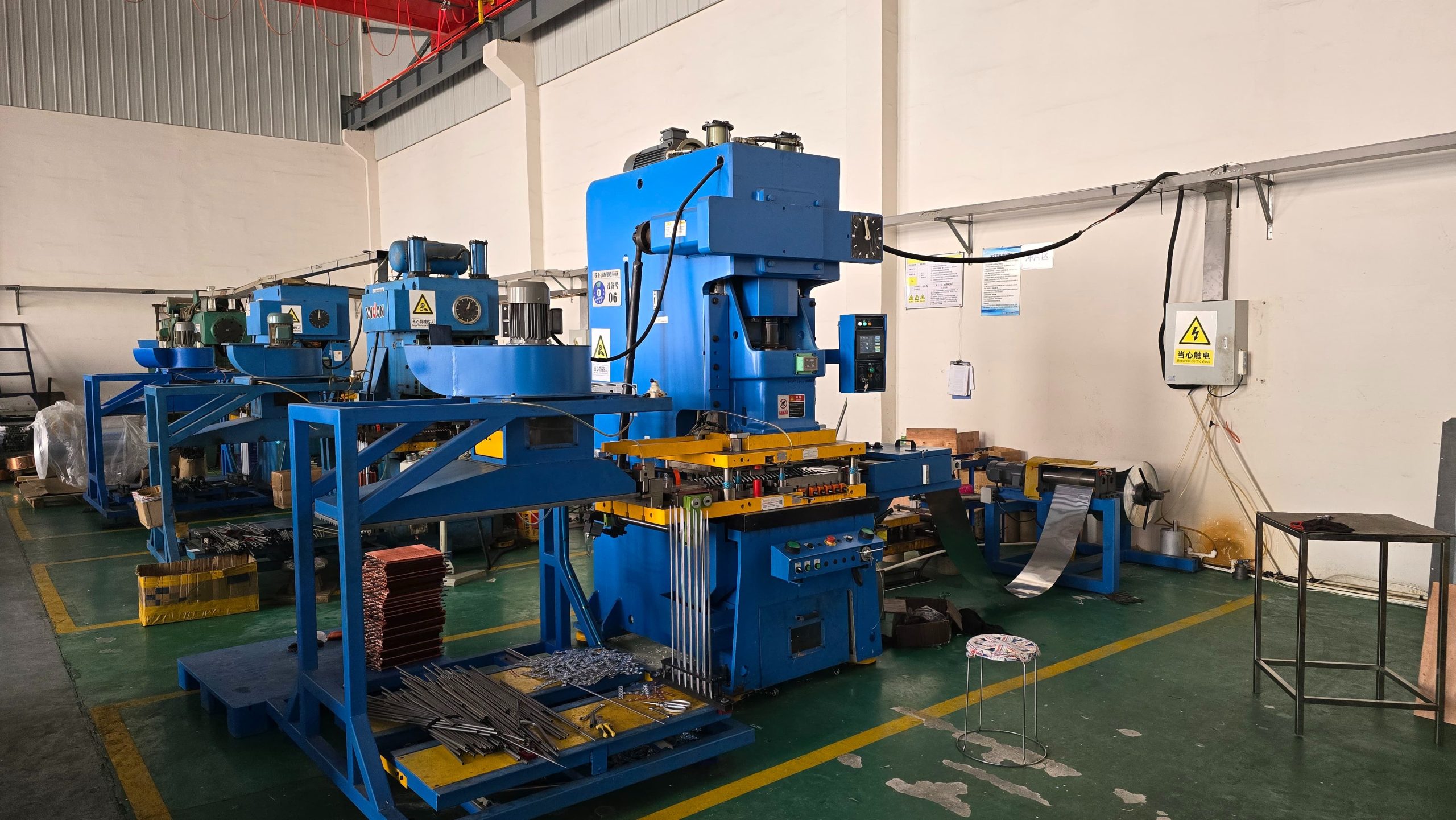
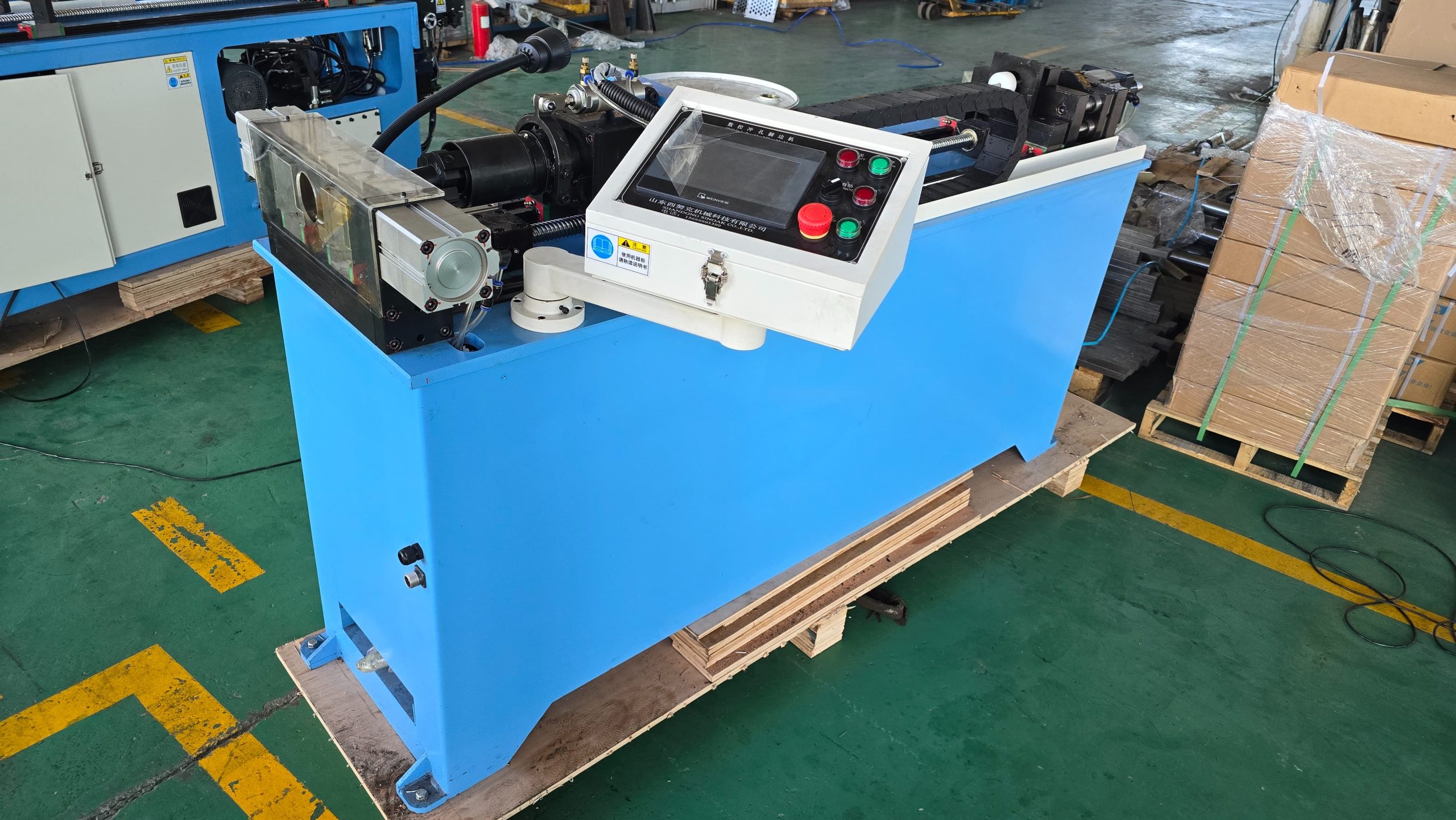
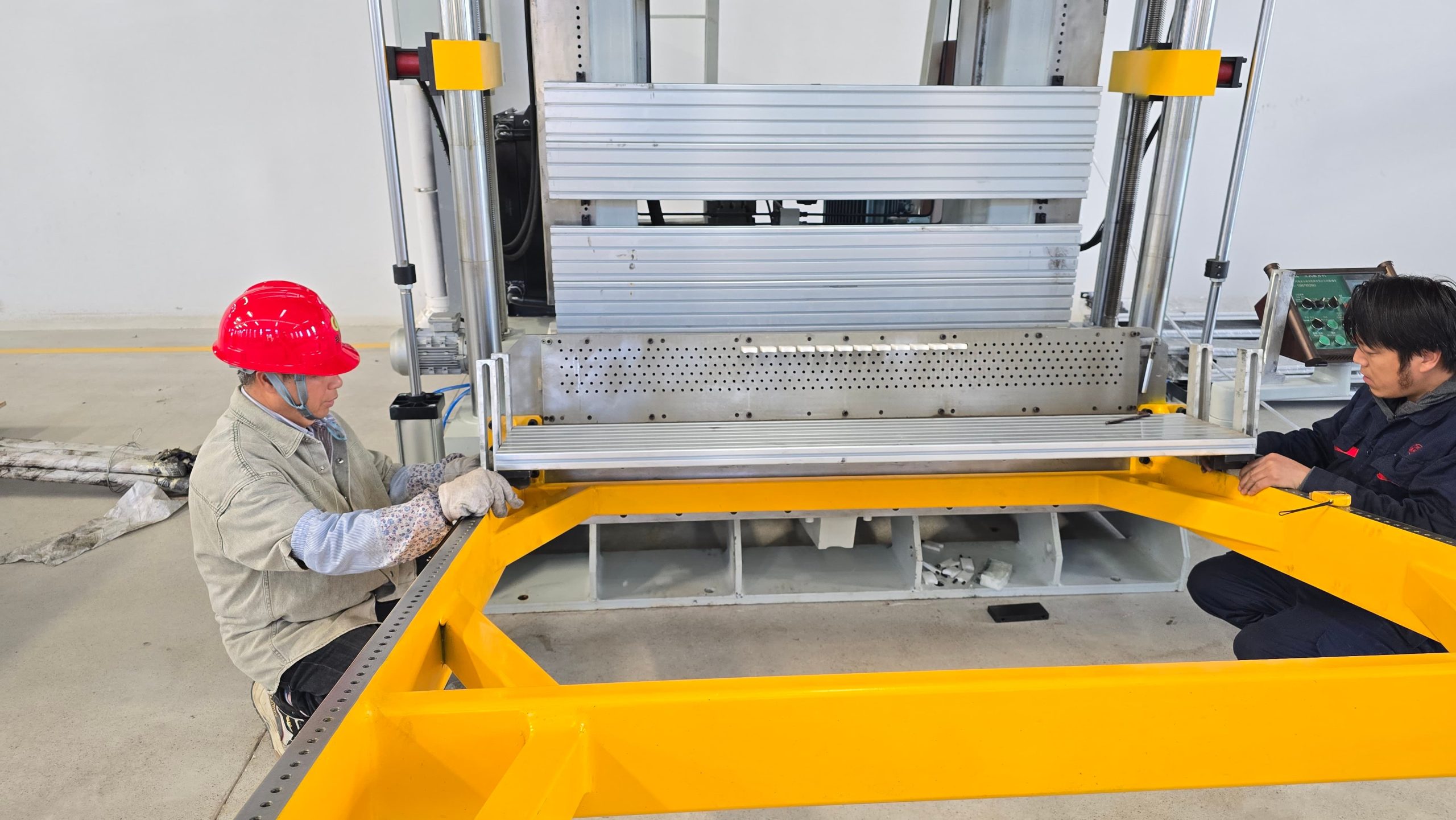
HVAC Coil Manufacturing Differences by Product and Process

In modern HVAC&R, commercial refrigeration, and industrial thermal management, selecting the optimal heat exchanger geometry is a critical engineering decision. As environmental regulations push for reduced global warming potential (GWP) refrigerants and strict energy efficiency metrics (SEER2, COP), system engineers are increasingly forced to evaluate the trade-offs between traditional Fin-and-Tube Heat Exchangers (FTHE) and Microchannel Heat Exchangers (MCHE).

While both technologies serve the fundamental purpose of transfering heat between a refrigerant phase and an air stream, their underlying fluid dynamics, heat transfer coefficients, and operational constraints differ significantly.

1. Fundamentals of Heat Transfer Mechanisms

To evaluate performance differences, we must look at the fundamental thermal resistance network governing air-to-refrigerant heat exchangers:

In air-cooled condensers and evaporators, the external air-side thermal resistance typically accounts for 70% to 80% of the total thermal resistance due to the low thermal conductivity of air. Both FTHE and MCHE address this bottleneck, but through different structural approaches.

Fin-and-Tube Architecture

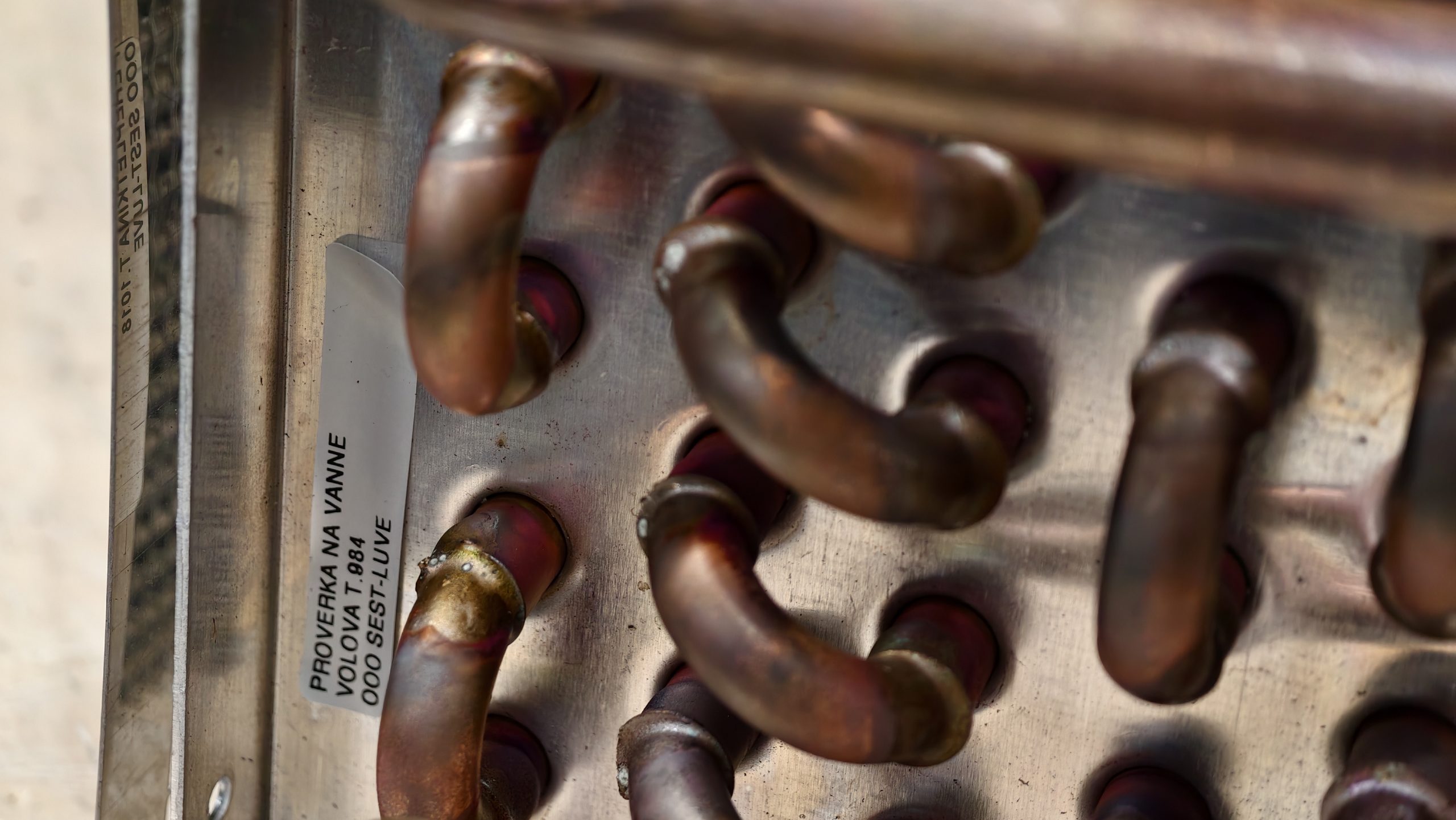
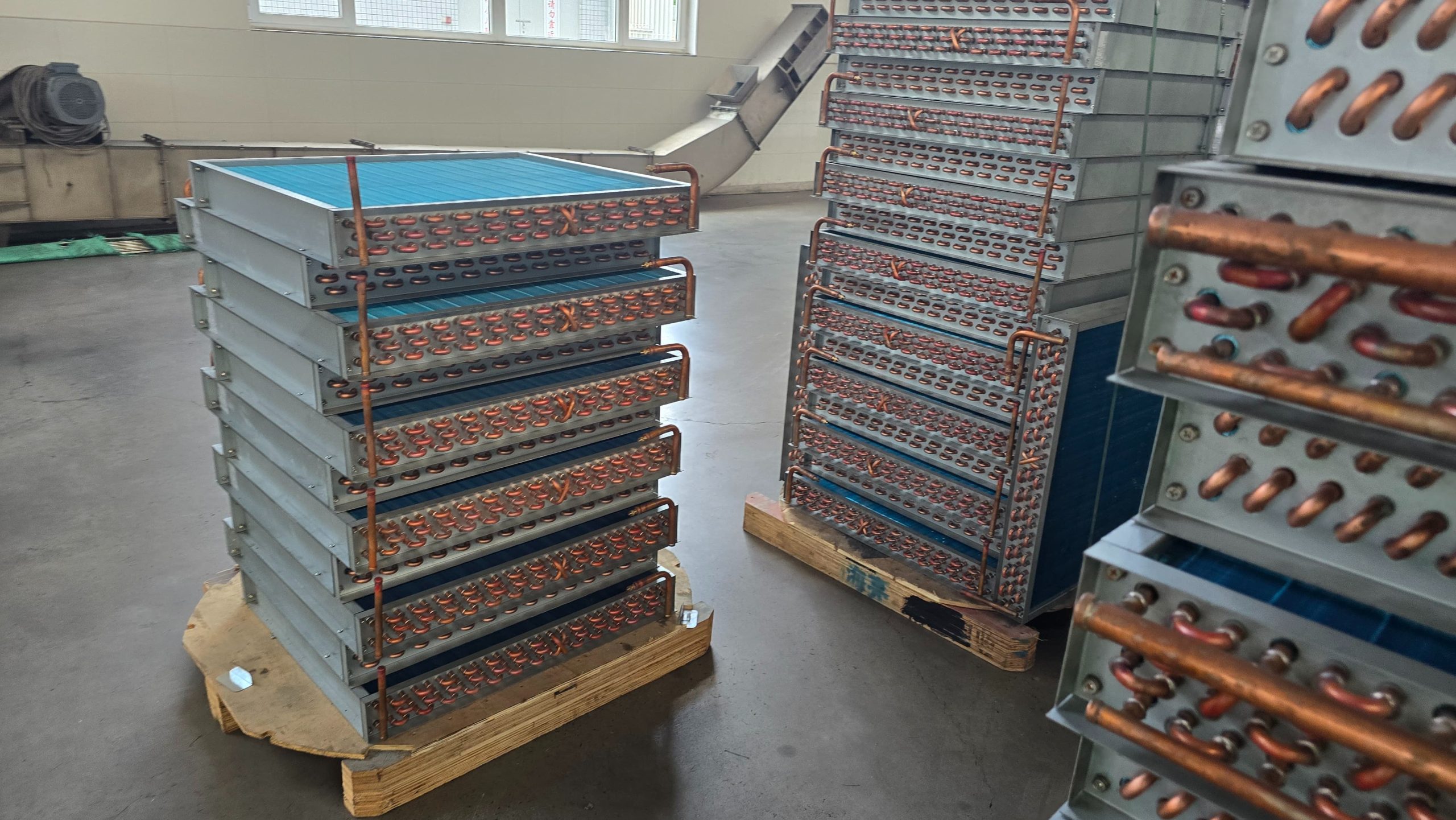
FTHE relies on round copper or aluminum tubes (typically 5mm to 15.88mm OD) expanded into stamped aluminum fins (louvered, corrugated, or flat).

  • Air-side: Fin geometry enhances convective heat transfer by breaking the thermal boundary layer, though larger tube diameters create wake regions behind the tubes, increasing form drag.

  • Refrigerant-side: Internal grooving (rifled or micro-fin tubes) boosts the internal heat transfer coefficient ($h_i$) through flow turbulence and increased surface area.

Microchannel Architecture

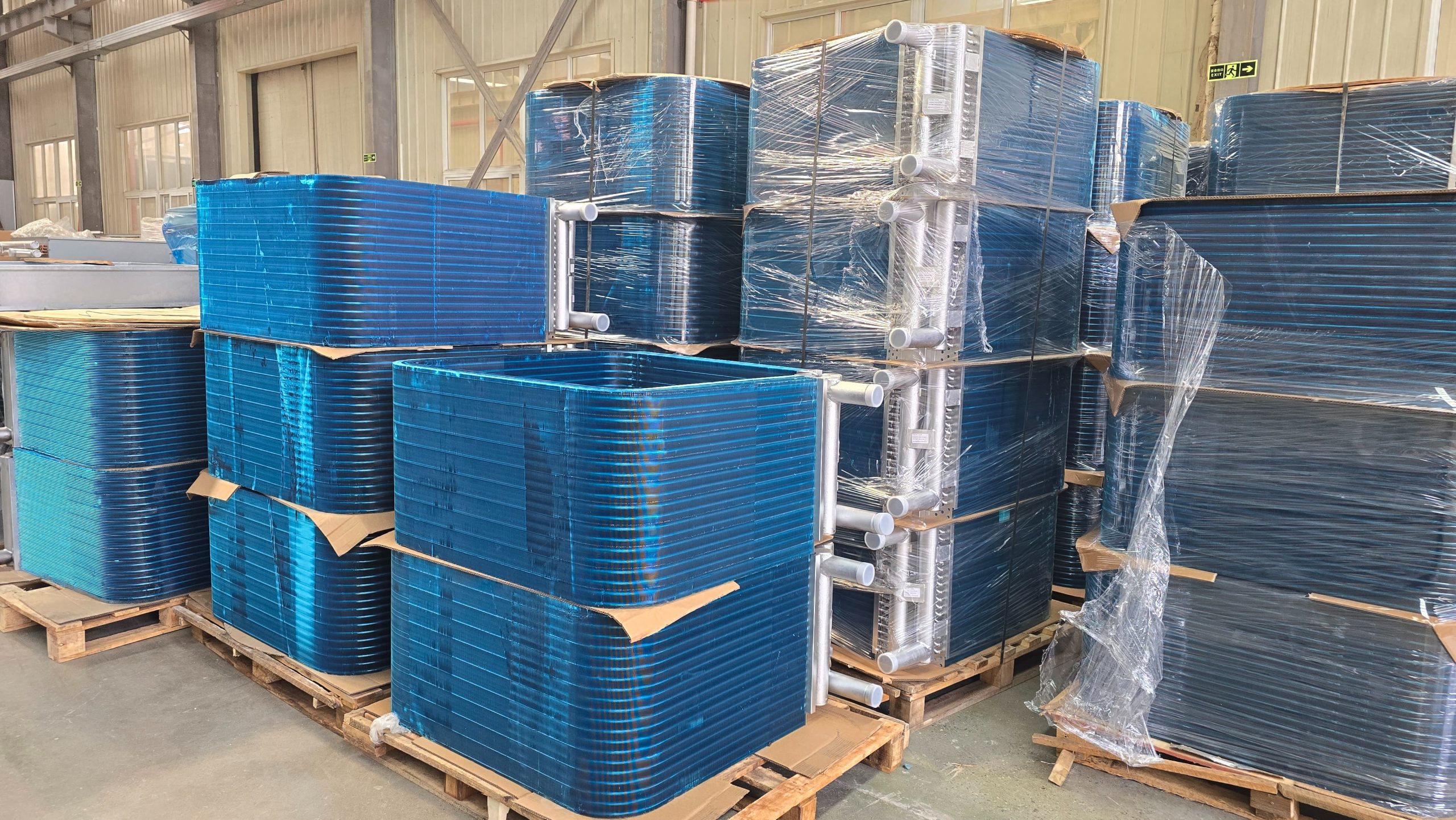
MCHE employs flat, multi-port extruded (MPE) aluminum tubes brazed with folded louvered fins between parallel hydraulic channels.

  • Air-side: The flat, low-profile tube geometry significantly reduces form drag and eliminates wake zones, drastically lowering air-side pressure drop.

  • Refrigerant-side: Hydraulic diameters range from 0.5mm to 1.5mm. The extremely small hydraulic diameter yields exceptionally high refrigerant-side heat transfer coefficients according to the classic Nusselt number correlation for internal laminar/turbulent flow:

2. Comparative Performance Analysis

Engineering MetricFin-and-Tube (FTHE)Microchannel (MCHE)Engineering Advantage
Heat Transfer EfficiencyBaseline+20% to +40% higher per face areaMCHE allows smaller coil footprint
Refrigerant ChargeBaseline (100%)40% to 70% reductionMCHE drastically lowers A2L/A3 refrigerant risk
Air-Side Pressure DropHigh (Form drag behind round tubes)Low (-20% to -30%)MCHE reduces fan power consumption
Weight & MaterialHeavier (Copper tubes + Al fins)30%–50% lighter (All-aluminum construction)MCHE lowers structural loading and shipping costs
Drainage & DeicingExcellent water sheddingPoor static drainage (Capillary retention)FTHE outperforms in sub-zero frosting conditions
Field RepairabilityHigh (Pinch, braze, or bypass tubes)Low (Requires specialized epoxy or coil replacement)FTHE offers better maintenance longevity

3. Critical Thermodynamic and Operational Trade-Offs

1. Refrigerant Charge Volume and Safety Compliance

With the phase-down of legacy HFCs under the Kigali Amendment and the transition toward mildly flammable (A2L, e.g., R32, R454B) and flammable (A3, e.g., R290 propane) refrigerants, charge minimization is a top priority.

  • MCHE features an exceptionally small internal volume. Reducing system charge by up to 60% allows manufacturers to meet strict safety limits (e.g., IEC 60335-2-40 charge limits for indoor A3/A2L installations) without compromising thermal capacity.

2. Moisture Retention, Frosting, and Defrost Cycles

While MCHE dominates dry-condensing applications, its performance as an outdoor heat pump evaporator in freezing environments presents challenges:

  • Capillary Water Retention: The narrow fin pitch and horizontal flat tube orientation create surface tension traps for condensed water.

  • Frost Invalidation: During heating modes, frost accumulates rapidly across the dense louvered fins. MCHE coils bridge with frost faster than FTHE, leading to frequent defrost cycles and temporary heat output loss.

  • Selection Strategy: FTHE remains the preferred design for low-temperature freezing evaporators, heat pumps operating in high-humidity ambient sub-zero zones, and deep-frosting commercial refrigeration.

3. Galvanic Corrosion vs. Formication Corrosion
  • FTHE Corrosion Mechanics: Dissimilar metals (copper tubes + aluminum fins) create an intrinsic galvanic couple. In coastal or polluted industrial environments, moisture acts as an electrolyte, accelerating galvanic attack at the tube-fin contact interface. Furthermore, copper tubes are susceptible to formication corrosion caused by organic acid vapors.

  • MCHE Corrosion Mechanics: Constructed entirely from 100% aluminum alloy (typically 3000-series cores with 4000-series cladding), MCHE eliminates galvanic couples within the core. However, thin-wall flat channels (0.3mm–0.5mm wall thickness) are vulnerable to rapid pitting corrosion in marine or sulfur-rich atmospheres if un-coated.

  • Solution: High-performance electrodeposition (E-coating) or silane-based coatings are mandatory for MCHE units deployed in C4/C5 corrosive environments.

4. Engineering Selection Framework

To optimize heat exchanger selection for a specific HVAC&R or process cooling project, use the following decision matrix:

  • Choose Microchannel (MCHE) when:

    • The primary duty is air-cooled condensing or chilled water cooling (dry coil).

    • System refrigerant charge must be minimized due to A2L/A3 safety standards.

    • Physical space and roof load limits require a compact, lightweight core.

    • Energy targets mandate low fan power (reduced air-side pressure drop).

  • Choose Fin-and-Tube (FTHE) when:

    • The coil operates as a heat pump evaporator in sub-zero, frosting ambient environments.

    • The application involves heavy airborne particulates (e.g., agricultural, paper processing) that clog narrow microchannel louvers.

    • Field repairability and custom circuit flexibility are critical operational requirements.

Conclusion

Neither geometry is universally superior; rather, MCHE and FTHE represent different engineering optimizations. Microchannel technology offers unmatched power density, reduced refrigerant charge, and low weight—making it the gold standard for air-cooled condensers and packaged chillers. Conversely, Fin-and-Tube technology maintains its dominant position in severe defrost environments, heavy-fouling industrial processes, and applications demanding field repairability.

Leave a Reply

Your email address will not be published. Required fields are marked *