Heat Exchanger Manufacturing Equipment
Steve
2026-09-09

Heat Exchanger Manufacturing Equipment
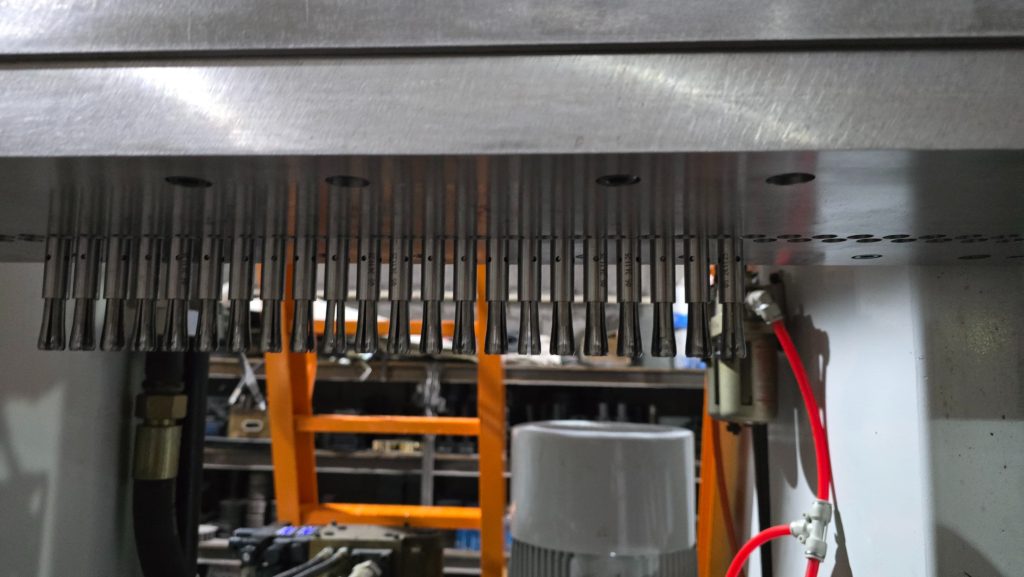
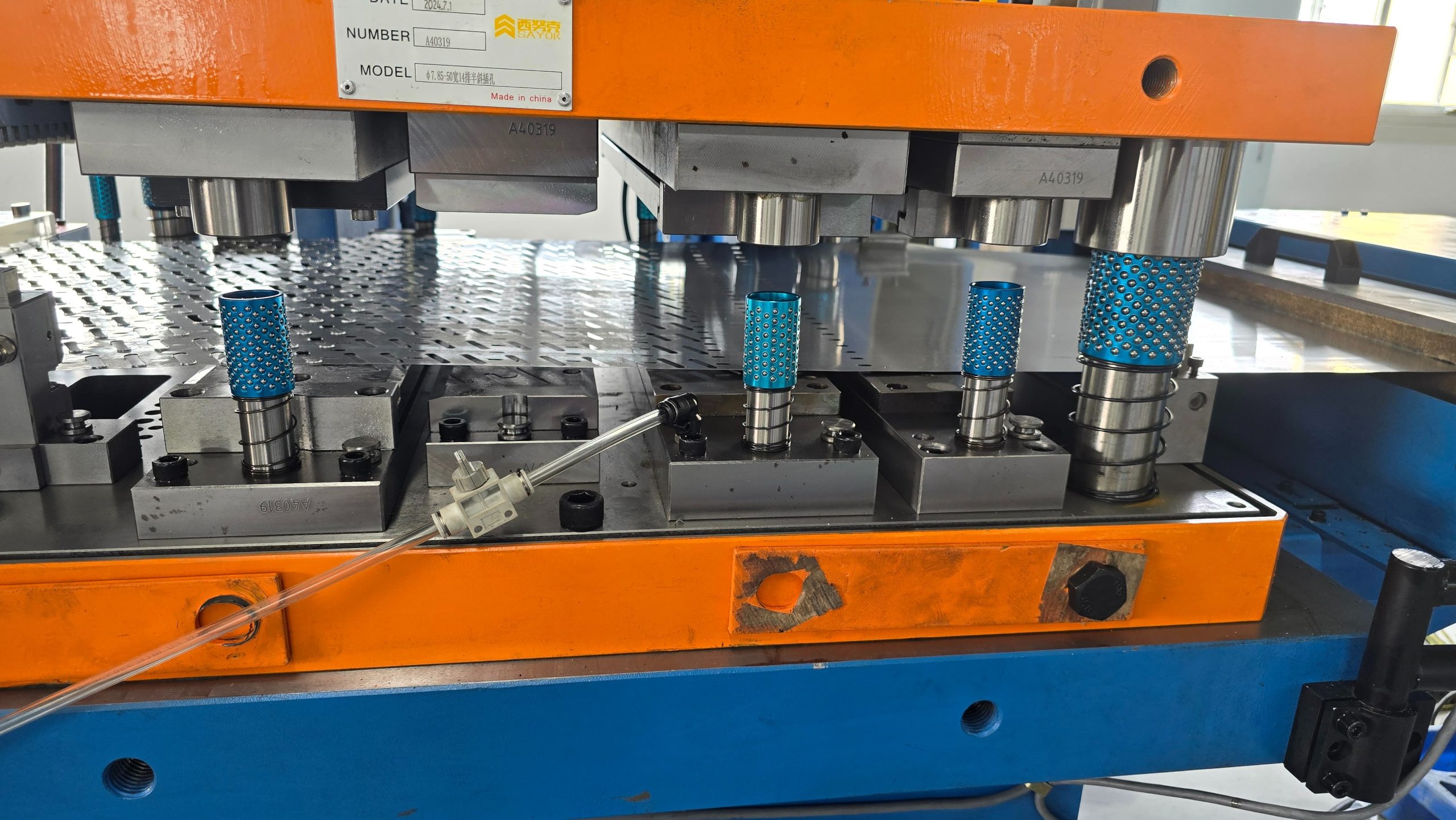
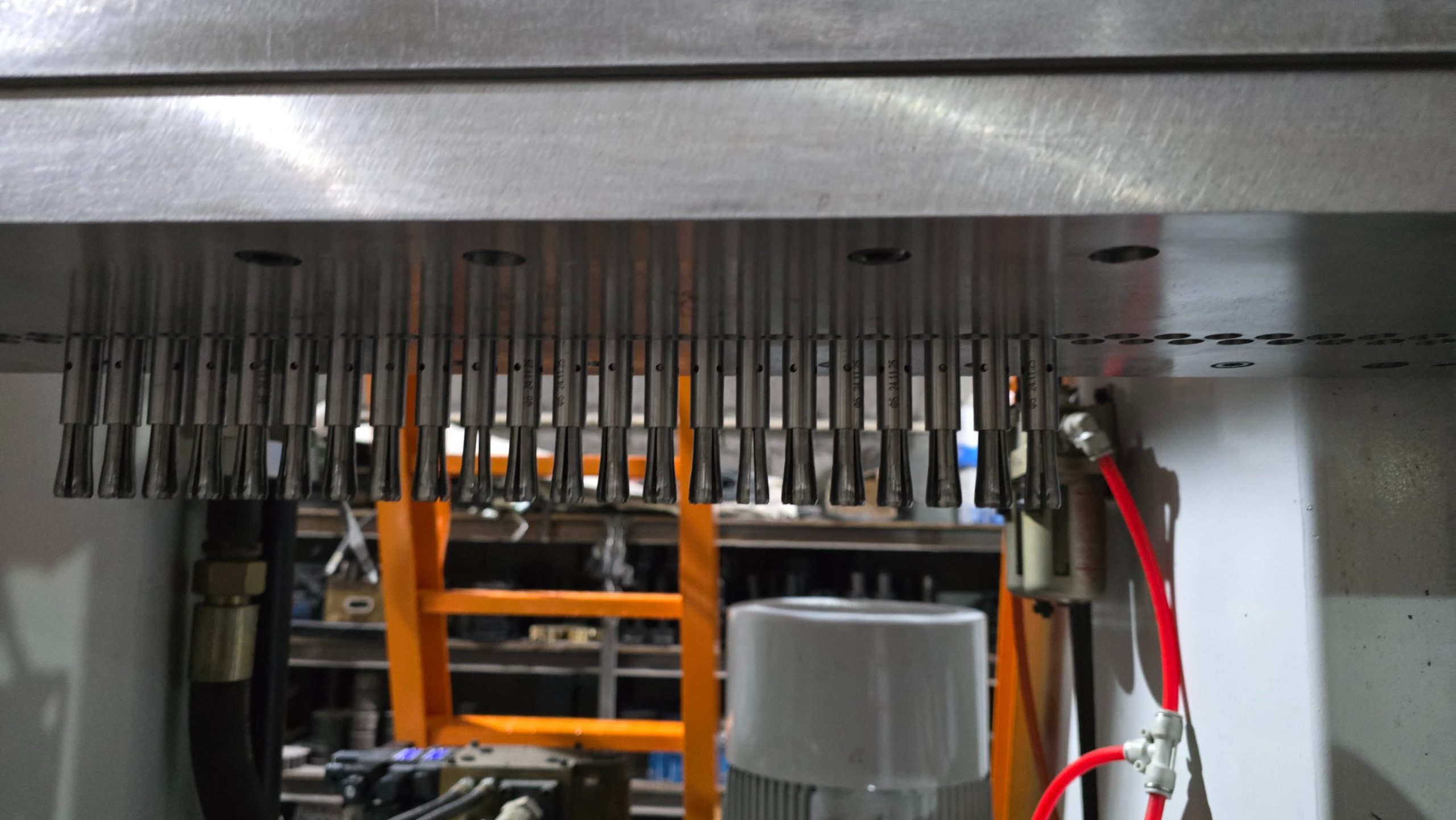
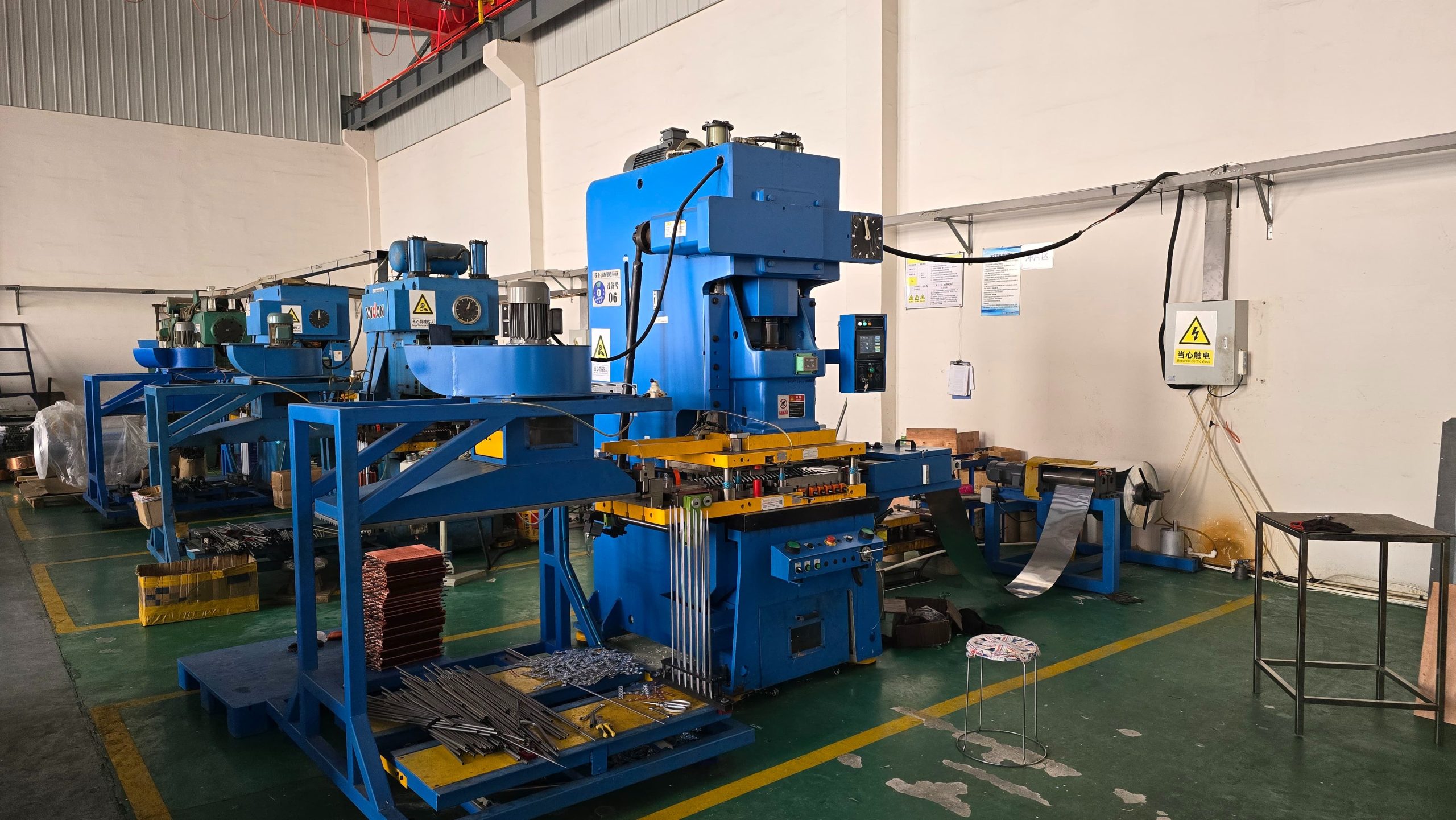
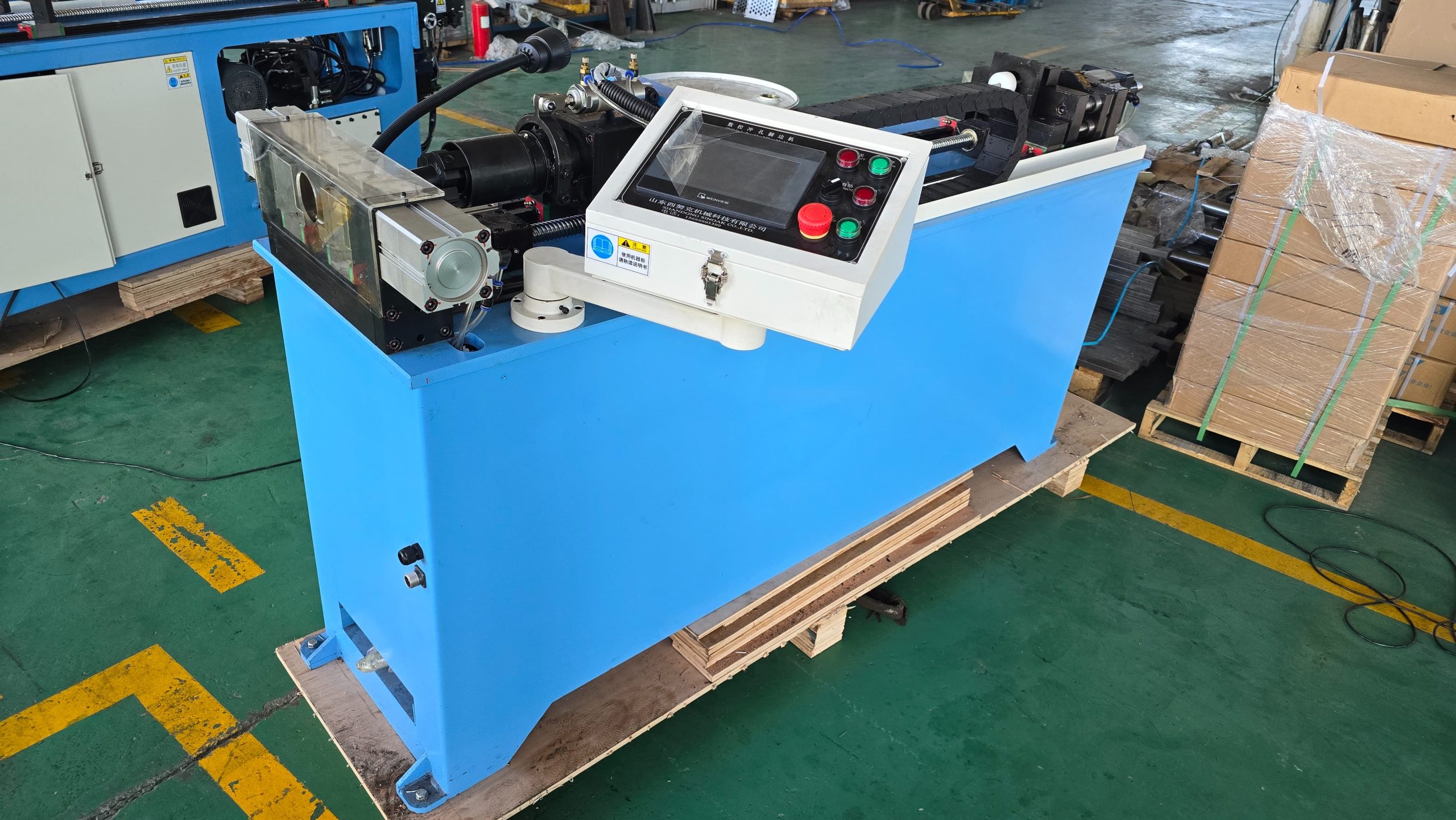
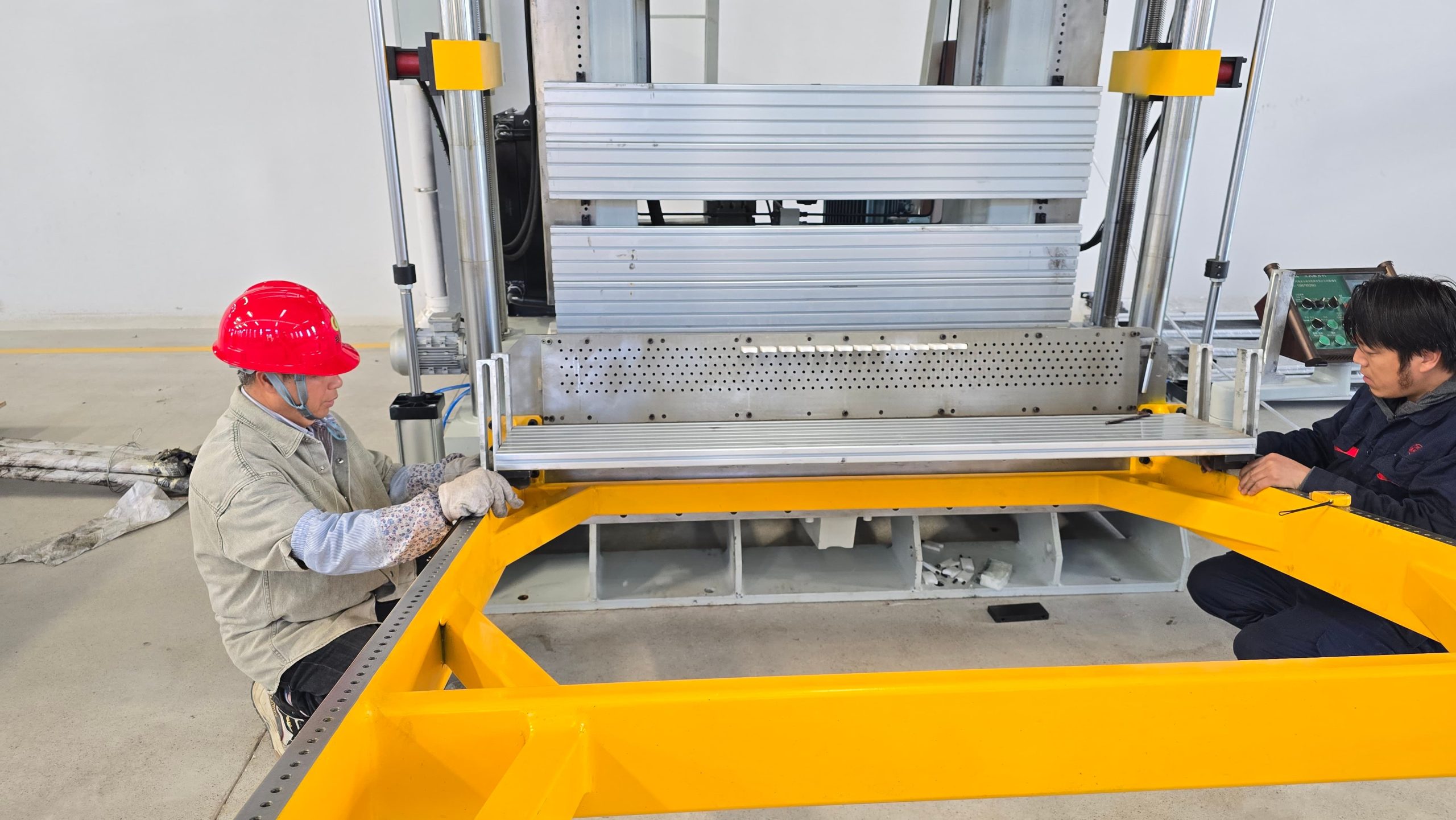
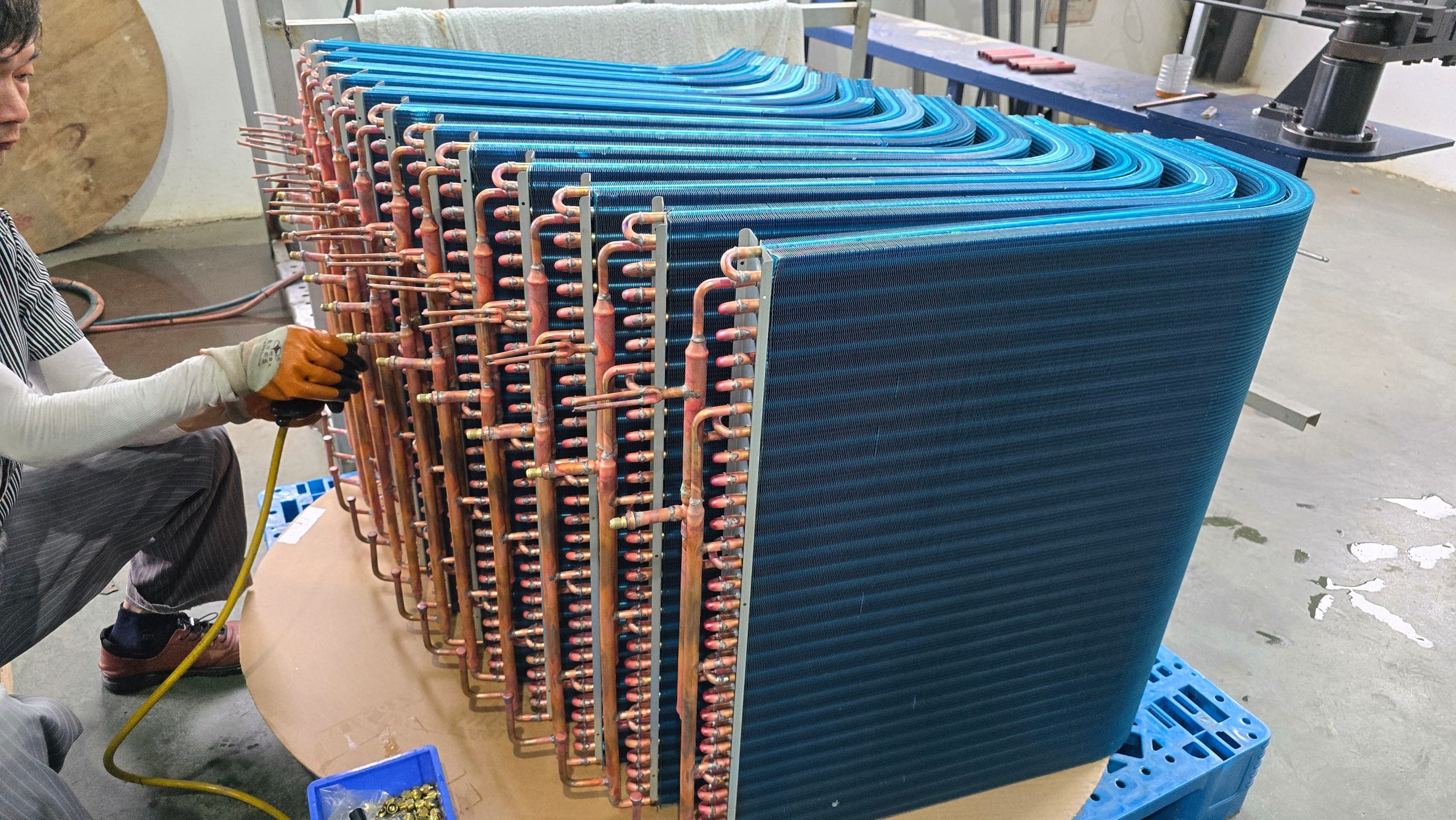
Heat exchanger manufacturing equipment converts coil and tube materials into repeatable finned coils. A complete process may include a fin die, fin press line, tube straightening and cutting machine, hairpin bender, tube insertion tools, expander, end-forming equipment, brazing stations, and leak-testing systems. The correct combination depends on the product rather than on a fixed machine list.
Performance terminology for forced-circulation air-cooling and air-heating coils is defined in AHRI Standard 410. Manufacturers can use those rating concepts to connect airflow, pressure drop, capacity, and production tolerances, while still validating the actual coil in its final cabinet.
Heat exchanger manufacturing equipment by process stage
The production route starts with the finished coil drawing. Tube diameter, wall thickness, fin material, tube pitch, row count, coil length, circuit arrangement, and annual output determine which operations require dedicated automation. Buying machines before defining these parameters often creates capacity in the wrong place.
|
Process stage |
Typical equipment |
Main output to control |
|
Fin forming |
Fin die and fin press line |
Hole position, collar height, fin pitch, flatness |
|
Tube preparation |
Станок для правки и резки труб |
Length, straightness, clean surface, burr condition |
|
Hairpin forming |
Hairpin bender |
Leg length, bend radius, ovality, parallelism |
|
Coil assembly |
Fin stacking and tube insertion tools |
Stack height, alignment, insertion force |
|
Tube expansion |
Horizontal or vertical expander |
Tube-to-fin contact, final dimensions, tube projection |
|
Joining and test |
Brazing and leak-test stations |
Joint quality, cleanliness, pressure integrity |
How heat exchanger manufacturing equipment affects quality
Each machine changes the condition received by the next operation. An unstable fin collar produces an uneven stack. Misaligned holes increase tube insertion force. Scratched or curved tubes damage collars. Excessive expansion can twist the coil or thin the tube. Quality therefore comes from controlling interfaces between machines, not from inspecting only the finished product.
- Record fin pitch and stack height at several positions across the coil.
- Measure tube straightness and surface condition before bending.
- Check hairpin leg spacing against the actual fin-hole grid.
- Monitor insertion force as an early indicator of misalignment.
- Verify coil diagonals, tube projection, and leak integrity after expansion.
Choosing automation for the real production volume
A small factory with frequent model changes may gain more from flexible fixtures and repeatable setup than from the highest possible line speed. A high-volume plant needs automatic transfer, recipe control, tool-life monitoring, and traceable inspection data. The decision should be based on good coils per shift after changeovers, not on the advertised stroke rate of one machine.
|
Production pattern |
Practical priority |
Common mistake |
|
Low volume and many models |
Flexible tooling and short setup |
Oversized automation with long changeovers |
|
Stable medium volume |
Balanced cycle time and simple transfer |
Automating one station while leaving a manual bottleneck |
|
High volume and few models |
Integrated feeding, recipes, and data capture |
Ignoring preventive maintenance and tool wear |
|
Large industrial coils |
Support, alignment, and controlled expansion |
Selecting equipment only by maximum length |
Specification data to prepare before requesting a line
- Provide drawings for the fin, coil, hairpin, return bends, headers, and side plates.
- List every tube diameter, wall thickness, fin material, and product size that the line must handle.
- State the annual quantity, average batch size, shift pattern, and expected changeover frequency.
- Define dimensional tolerances, leak-test pressure, cleanliness requirements, and accepted inspection methods.
- Describe available floor space, utilities, operator skill level, and upstream or downstream equipment.
Integrating machines into one production system
Machine interfaces should be reviewed before purchase. The fin press output must match stacking and handling capacity. Cut-tube length must suit the bender and expander. Expansion tooling must match tube wall thickness and fin collar geometry. Material flow should protect thin fins and clean tubes from damage while avoiding unnecessary lifting.
A practical acceptance plan includes individual machine trials and a complete product run. The final run should use production material, normal operators, planned changeovers, and the agreed inspection criteria. This reveals whether the system can sustain the target output rather than produce a single demonstration part.
Heat exchanger manufacturing equipment from SINOAK
SINOAK supplies equipment for fin stamping, tube preparation, hairpin bending, assembly, and tube expansion. Machine selection can be matched to the customer’s drawings, product range, and production target. The aim is to build a workable process with clear quality checkpoints, not simply to combine the largest machine specifications.
An overview of available machines and technical support is provided on the SINOAK website. For an initial evaluation, manufacturers can prepare representative drawings and a product-family list so that tooling changes and capacity limits are visible from the beginning.
FAQ
Does every coil factory need a fully automatic line?
Which machine has the greatest effect on coil quality?
Can one line produce evaporators and condensers?
Conclusion
Heat exchanger production equipment should be selected as a connected manufacturing system. Product drawings, batch structure, quality checkpoints, and material flow provide a stronger basis for investment than isolated machine speed or maximum size.