When Is Heat Exchanger Production Worth Automating?
Steve
2026-09-15
When Is Heat Exchanger Production Worth Automating?
Heat exchanger manufacturing automation creates sustained value only when the target process, product stability, and workforce are ready. Automation does not require linking the complete heat exchanger production equipment line at once. A lower-risk approach is to remove a verified bottleneck first, then connect data, material handling, and quality control in stages.
Manufacturers assessing robotics, automatic handling, and process automation can review NIST MEP guidance on robotics and manufacturing automation. The final decision must still be validated with the plant’s own product mix, cycle, quality, maintenance, and cash-flow data.
In a fin-and-tube heat exchanger factory, automation value often comes from excessive manual handling, dimensions that depend on operator experience, a bottleneck running at sustained high load, or increasing traceability requirements. If demand is volatile, models change frequently, or the base process is unstable, premature line integration may amplify downtime.
Four levels of heat exchanger manufacturing automation
Level | Typical configuration | Suitable condition | Main limitation |
Manual with dedicated tooling | Manual loading, positioning, and handling supported by fixtures and gauges | Low volume, high mix, and a process still being refined | Cycle and consistency depend on skills; limited traceability |
Assisted standalone machine | Automatic feeding, cut-to-length, counting, recipes, and safety interlocks | One repetitive action forms a local constraint | Upstream and downstream waiting may remain |
Semi-automatic cell | Several steps completed in one machine or cell; operator loads and confirms | Stable product families and a need to reduce handling or repeated positioning | Operator response, changeover, and recovery still require balance |
Linked-line automation | Automatic transfer, identification, data exchange, and in-line inspection | Stable demand, defined interfaces, and mature maintenance capability | Higher investment and system dependence; one fault can stop multiple processes |
A higher level is not automatically better. Define the required improvement first: conforming output, labor hours per unit, first-pass yield, changeover time, traceability, or handling safety. Then compare which automation level directly changes the target measure.

Signals that a process is ready for automation
The strongest candidate is not simply the station that looks busiest. It combines repetitive work, stable inputs, measurable losses, and a clear output standard.
- A bottleneck repeatedly limits delivery after scheduling, maintenance, and tooling improvements have been applied.
- The same action occurs frequently, uses significant manual time, and varies little between products.
- Quality variation is directly related to feeding, positioning, force, stroke, or parameter recording.
- The workpiece is heavy, long, sharp-edged, or handled frequently enough to create ergonomic or safety pressure.
- Customer traceability requires automatic recording of material batch, recipe, measurements, and test results.
- Future product and order direction are clear enough to support practical equipment utilization and payback.
Stabilize the process before connecting machines
Automation amplifies a stable process and also amplifies an unstable one. If fin-hole geometry, tube feeding, expansion parameters, or leak-test methods lack a qualified window, conveyors and line control make faults more difficult to isolate.
- Confirm input material specification, tolerance, surface condition, and batch variation.
- Fix the datum, clamping method, critical parameters, and inspection method for a conforming part.
- Record current cycle time, minor stops, changeovers, rework, and scrap reasons.
- Reduce the most frequent process variation before defining automatic loading or line interfaces.
If operators still correct feeding, reposition parts, or bypass alarms frequently, the main issue is usually material, tooling, process definition, or maintenance rather than insufficient automation.
Automation entry points by heat exchanger process
Процесс | Candidate automation | Confirm before automation | Typical objective |
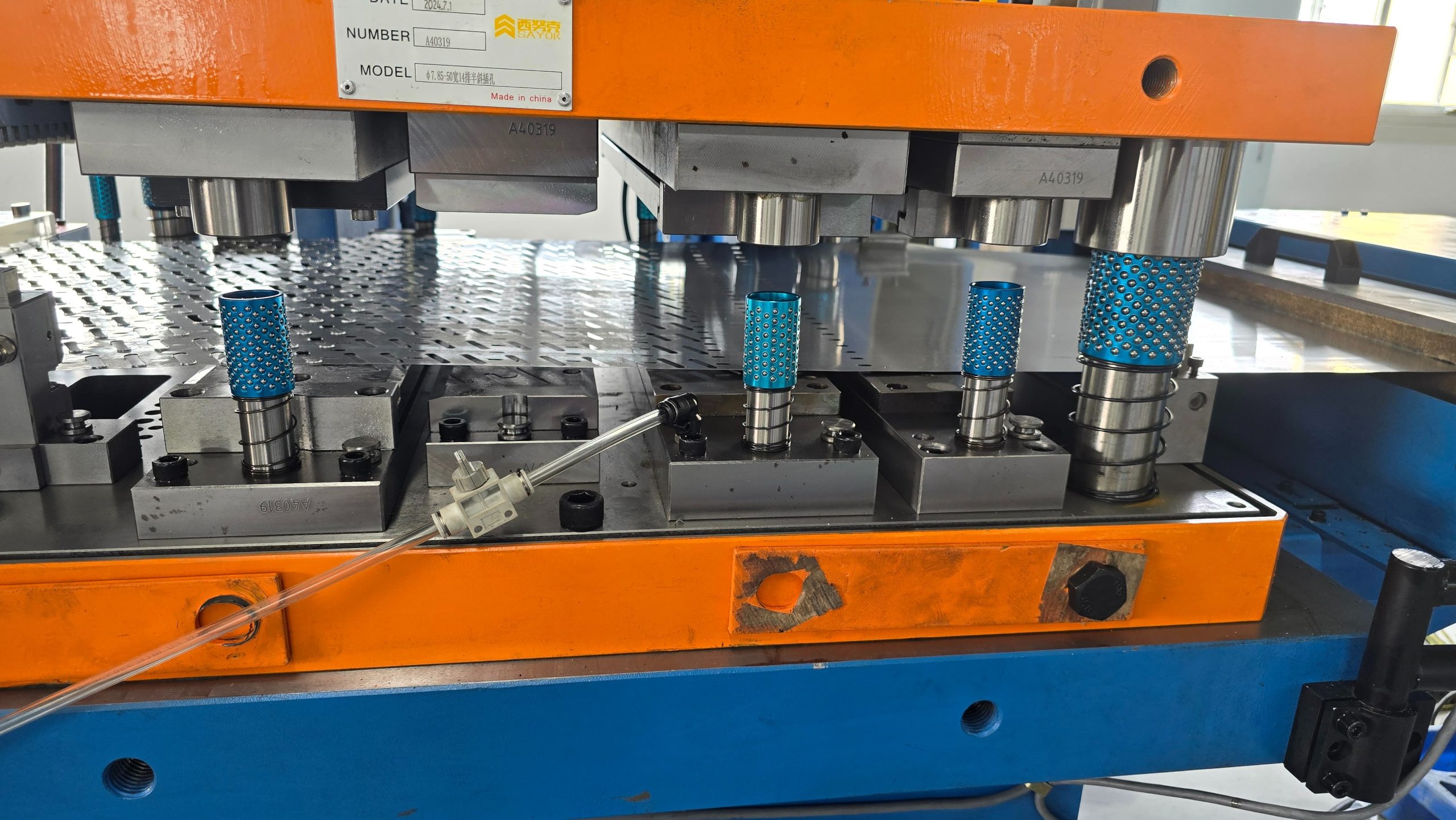
Fin stamping | Decoiling, lubrication, feeding, counting, collection, and condition monitoring | Stable die speed, material window, jam causes, and scrap route | Sustained conforming output with fewer minor stops and batch errors |
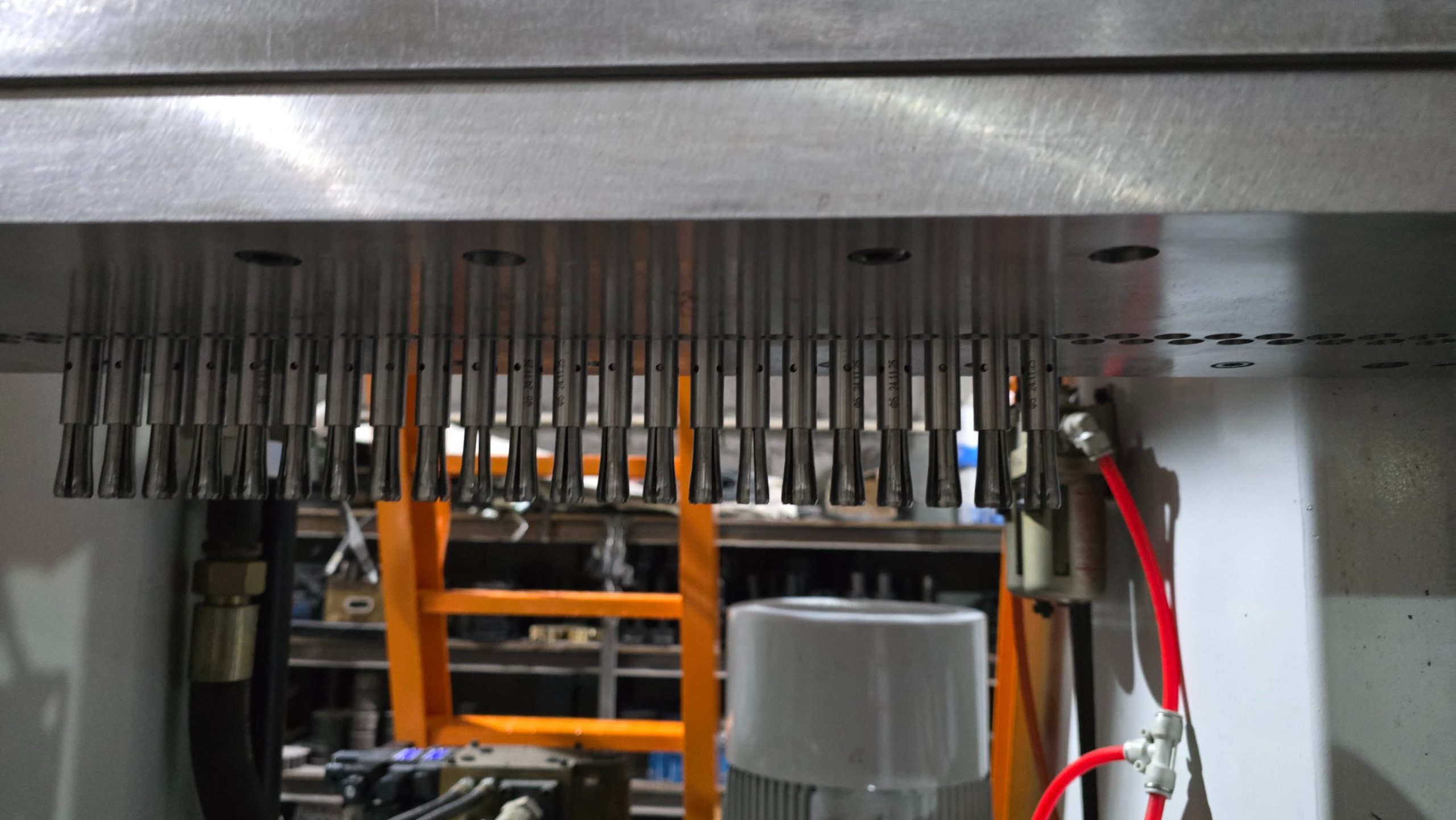
Tube processing | Coil straightening, cutting, hairpin bending, unloading, and length inspection | Diameter, wall, lubrication, boundary lengths, springback, and surface requirements | Less handling, length drift, and repetitive loading |
Lacing and assembly | Fin positioning, tube supply, identification, assisted insertion, or robotic handling | Fin-hole consistency, tube-end condition, product-family differences, and recovery | Lower physical effort and stable assembly cycle |
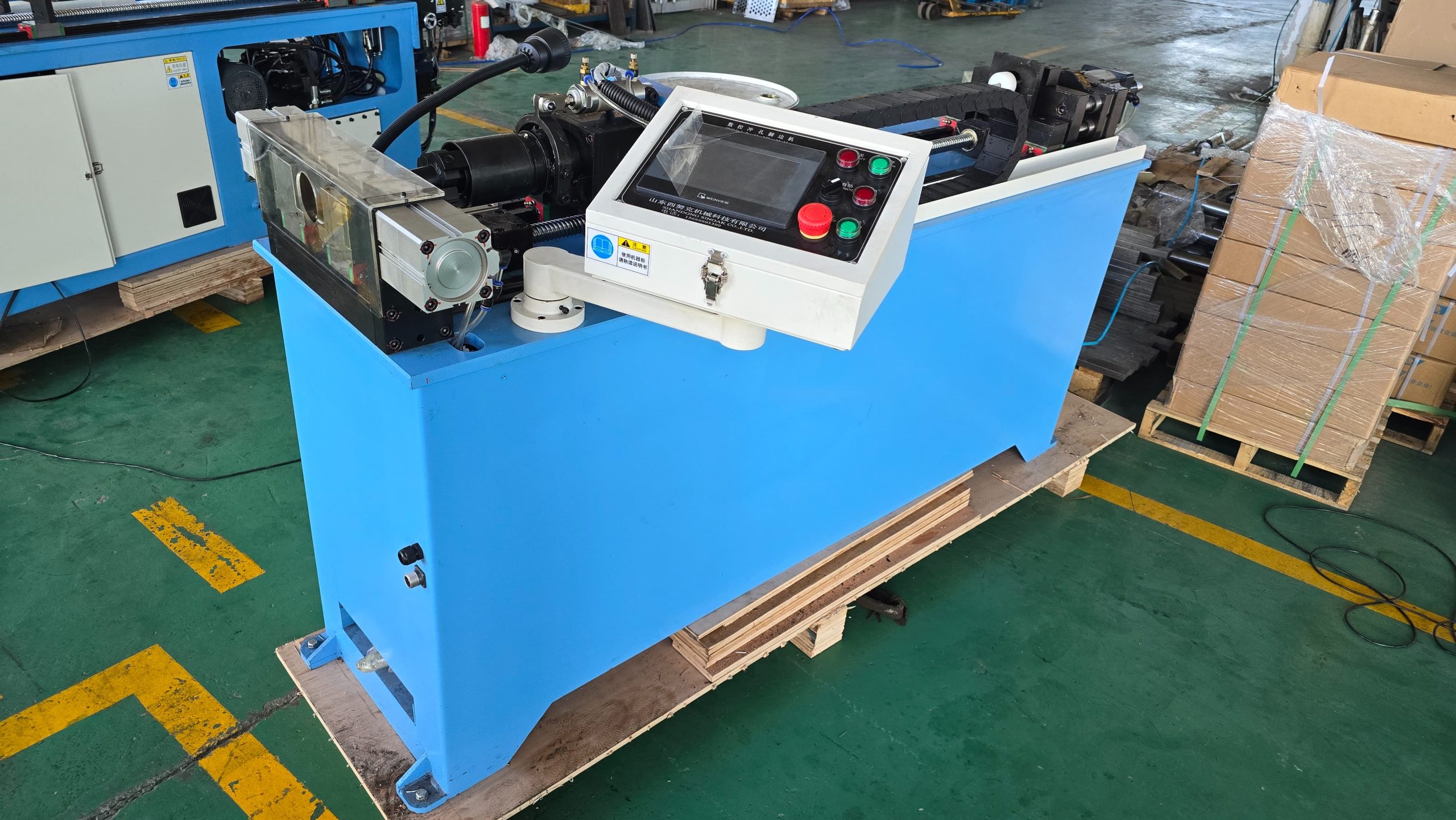
Tube expansion | Recipe control, core positioning, automatic clamping, rod control, and process records | Tube-sheet design, expansion window, core stiffness, and loading method | Stable joints with fewer recipe and operating errors |
Brazing and test | Joint positioning, parameter control, leak-test sequence, data storage, and judgment | Joint cleanliness, internal volume, stabilization time, and rework route | Higher consistency, traceability, and testing efficiency |
Use the line bottleneck to set investment priority
A faster standalone machine increases shipments only when it changes the line constraint. If fin stamping already has excess capacity while lacing or leak testing limits delivery, more press speed creates work in process rather than sales.
Calculate effective load by product family, including loading, changeover, inspection, and abnormal recovery. In a high-mix plant, long hairpins, large cores, and high-pressure products may constrain different stations, so the bottleneck must be checked against the actual schedule.

Build a complete automation ROI model
Return on investment should not equal equipment price divided by assumed headcount reduction. A useful model compares conforming-unit cost and cash flow while including incremental benefits, implementation cost, continuing cost, and risk.
ROI item | Include | Common omission |
Direct benefit | Labor hours, overtime, handling, and repeated inspection | Employees may be reassigned rather than removed |
Capacity benefit | Conforming output and orders added after the bottleneck is relieved | Faster non-bottleneck equipment does not equal sales growth |
Quality benefit | Scrap, rework, retest, returns, and traceability time | No consistent pre-project quality baseline |
Implementation cost | Equipment, tooling, integration, foundations, utilities, training, and trial production | Shutdown, samples, certification, and ramp-up loss |
Continuing cost | Maintenance, spares, software, energy, calibration, and engineering support | Specialist labor, cybersecurity, and system upgrades |
Create conservative, base, and favorable scenarios. If payback exists only with ideal volume, zero downtime, and complete headcount removal, the automation scope or assumptions need further review.
High-mix production needs flexibility
When models change frequently, prioritize recipe storage, quick tooling changes, adjustable feeding ranges, and equipment that can run independently. Modular cells allow the plant to automate a bottleneck while other processes continue during a local stop.
- Group products by tube diameter, core size, rows, and process route instead of demanding universal compatibility.
- List every die, fixture, expansion rod, recipe, and inspection standard required for a changeover.
- Ask the supplier to explain automatic production, manual maintenance, and controlled bypass modes.
- Accept the system with representative models, boundary products, and real changeovers, not only the fastest product.
Common automation quality problems
Problem | Likely cause | Impact | Adjustment |
Frequent automatic feed alarms | Material variation, worn guides, poor sensor location, or narrow parameter window | More minor stops and alarm bypasses | Analyze alarms by batch, restore mechanical datums, and then tune thresholds |
Robot or transfer damages parts | Unstable gripping datum, excessive force, or a path that ignores long-tube deflection | Crushed fins, scratched tubes, distorted cores, and rework | Validate grippers, support, and speed with boundary products; add presence and collision checks |
Unstable first part after changeover | Program, tooling, and material versions are not linked; approval steps are unclear | Wrong recipe, dimensional drift, and batch scrap | Control recipe access, identify tooling, and enforce first-piece release |
One failure stops the complete line | Tightly coupled stations, no buffer or bypass, and unclear recovery authority | Lower availability that cancels cycle-time gain | Provide calculated buffers, manual modes, controlled bypass, and trained recovery |
Large data volume without improvement | Inconsistent tags, vague reason codes, and no link between parameters and product IDs | Root causes remain unclear and traceability stays manual | Collect a small set of critical data with common names and product linkage |
Implement automation in stages
- Establish the baseline: cycle time, labor time, stops, changeovers, and quality losses by process.
- Choose the first project: target a frequent, stable, measurable action that affects delivery.
- Validate the cell: qualify tooling, parameters, abnormal recovery, and training before chasing maximum speed.
- Connect data: standardize product codes, recipes, alarms, and quality results so the data supports decisions.
- Expand material flow: add automatic transfer and coordination only after adjacent stations are stable.
- Review actual return: update the model with conforming output, labor, and downtime before the next stage.
How SINOAK supports phased automation
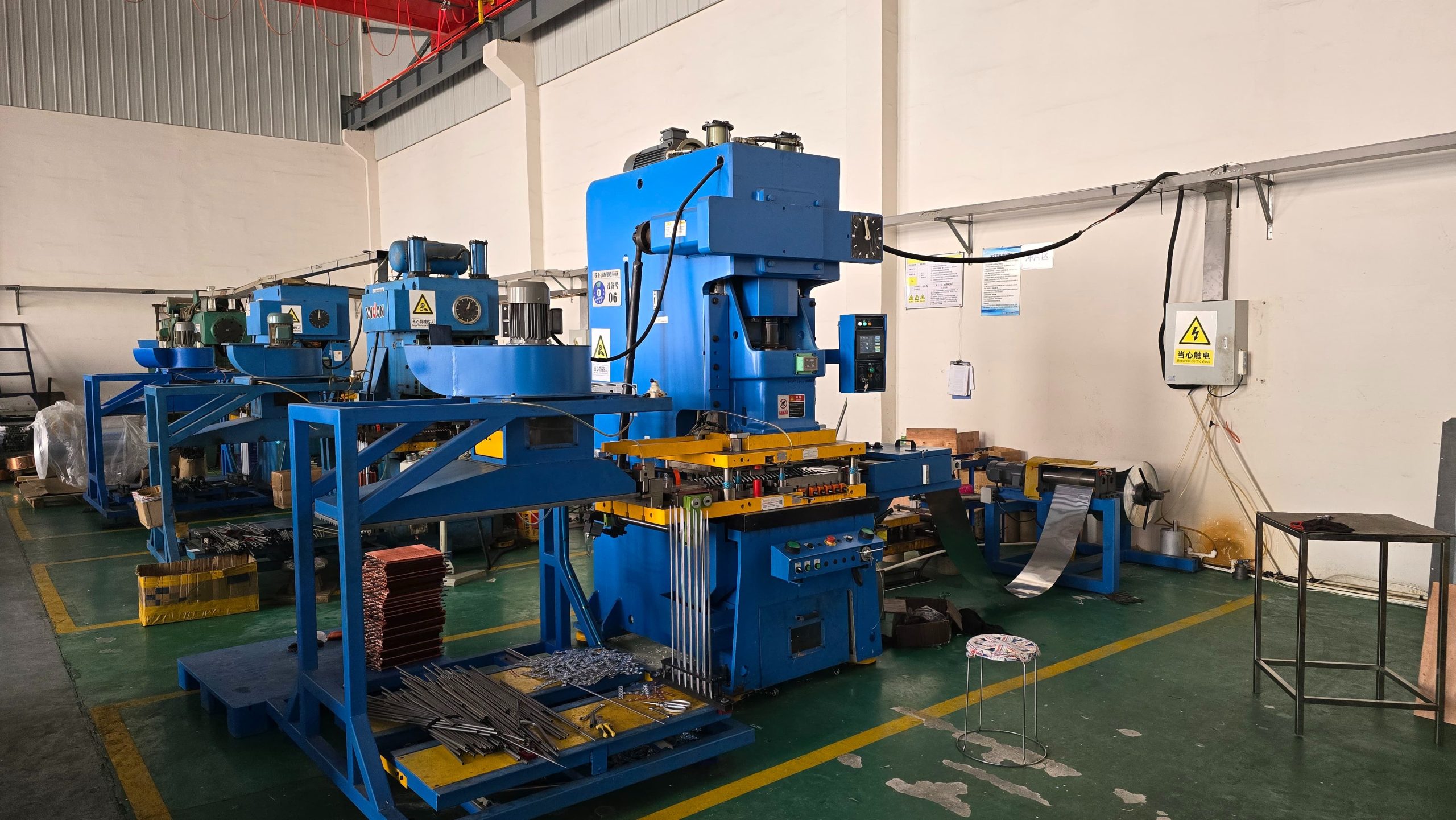
SINOAK equipment can be configured around current output, product mix, and available operators. Coil straightening, cutting, and hairpin bending can reduce handling and repeated loading; fin press lines can integrate feeding, counting, and collection; tube expanders can use recipes, positioning, and process controls to improve consistency.
For an automation review, provide product drawings, cycle data, staffing, quality problems, and factory constraints to SINOAK heat exchanger production equipment and technical support. The first task is to identify the bottleneck and process readiness before comparing standalone machines, manufacturing cells, or linked-line options.
A practical design retains manual setup, maintenance, and abnormal recovery and defines the conditions for future automatic loading or data integration. This staged approach suits factories with an evolving product mix and reduces the risk of a single large line investment.
Information to provide before an automation proposal
- Shift demand, batch size, seasonal demand, and growth assumptions by product family.
- Representative and boundary drawings with material, tolerances, weight, and surface requirements.
- Current cycle time, labor time, changeover, downtime, and WIP by process.
- Quality defects, scrap and rework reasons, first-pass yield, and traceability requirements.
- Existing equipment, operating direction, factory space, utilities, and handling method.
- Manual steps to retain, actions to automate, and responsibility for abnormal recovery.
- Acceptance product mix, continuous run time, conforming-output definition, and permitted stops.
FAQ
What production volume justifies automation?
Can a high-mix, low-volume factory use automation?
Does automation always reduce headcount?
Conclusion
Automation should begin with a defined bottleneck, quality loss, or handling problem, not with the highest available automation level. Stabilize the process, establish a data baseline, and choose a measurable standalone or cell project before linking the complete line. This sequence usually creates a more reliable return and a clearer path to expansion.
Последние новости